



Life
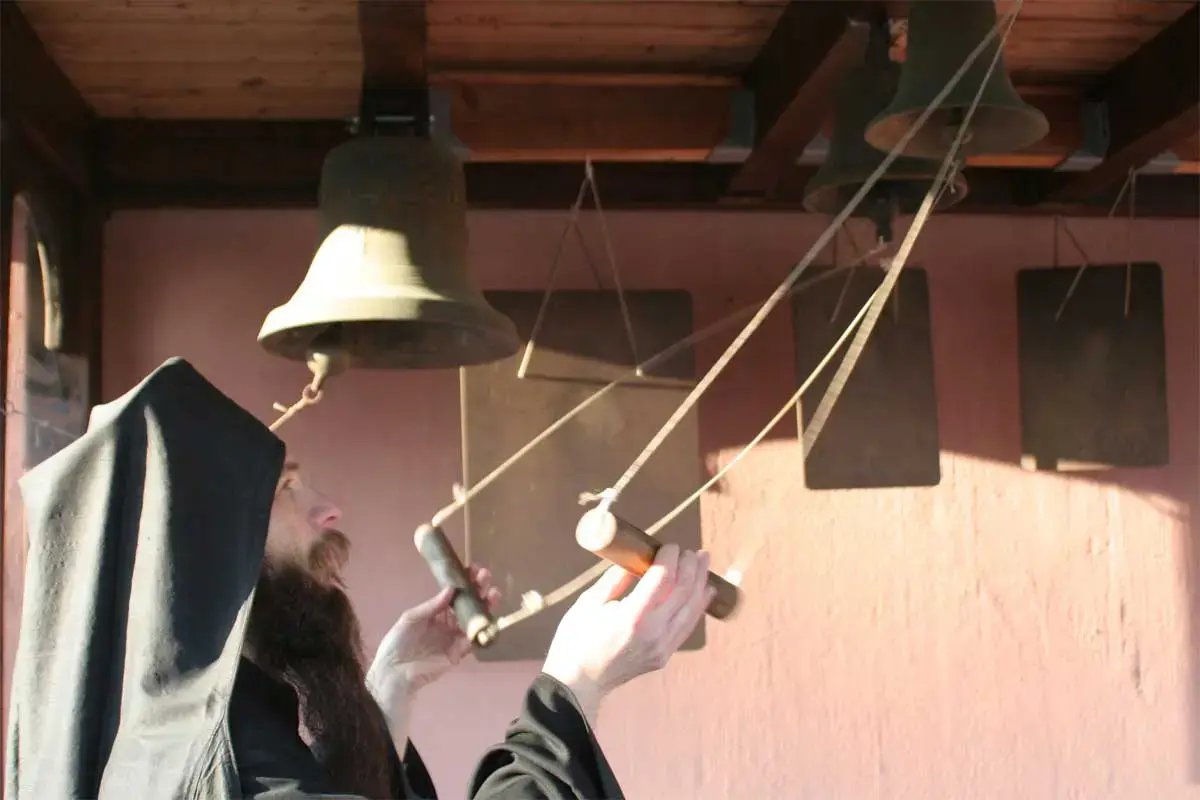
The prayer of the heart is the hidden side of monasticism. In the services of the Orthodox Church, however, the full beauty and majesty, breadth and depth of the loving communion between God and man become manifest.
Daily Rhythm
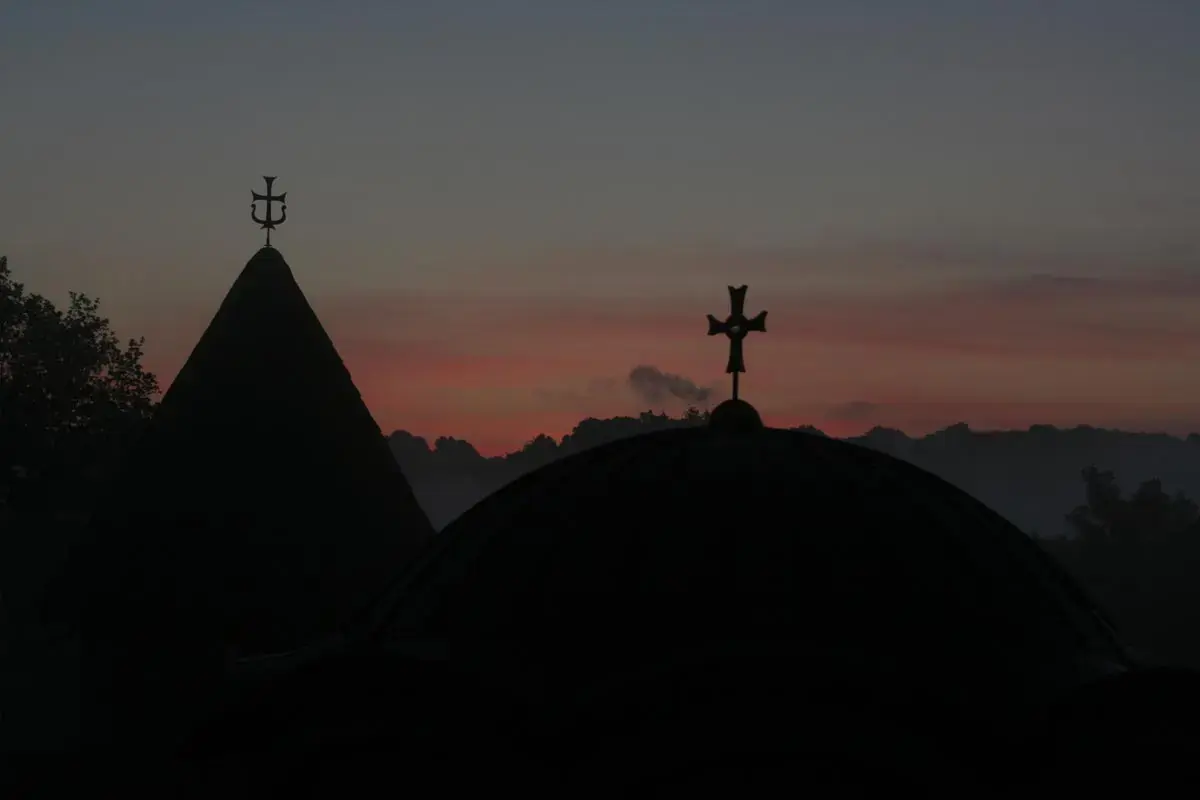
At around 5:00 everyone gathers in the church and chants the morning office (Orthros). This takes about two and a half hours. After a small breakfast the day’s work begins.
At midday, at 12:00, there is a short midday prayer (the Sixth Hour), followed by the common midday meal in the hall. In the fasting seasons and on fasting days there is only one common meal, consisting of vegetables, fruit, salad, bread, and so forth. Until 15:00 it is time for enclosure. During these hours one may rest and continue one’s personal prayer exercises. The hours of enclosure also serve for study and for reviewing instruction and spiritual teachings.
From 15:00 onward it is again work time. The Vespers service begins at 17:00. This very beautiful service, mostly chanted, lasts one and a half hours on weekdays and two hours on Saturdays. In summer Vespers is moved forward so that afterwards one can still work in the garden and on the grounds when the sun is no longer so hot.
At 20:15 the night office (Apodeipnon/Compline) is read; on certain days there is spiritual instruction. From 21:30 onward it is again time for enclosure. The Divine Liturgy is celebrated on Saturdays and Sundays as well as on the great feasts. On the eve of great feasts there is an all-night vigil, a many-hour, very solemn service.
Work
There are the everyday tasks such as cleaning and caring for the church, the living and working spaces, laundry duties, and kitchen service.
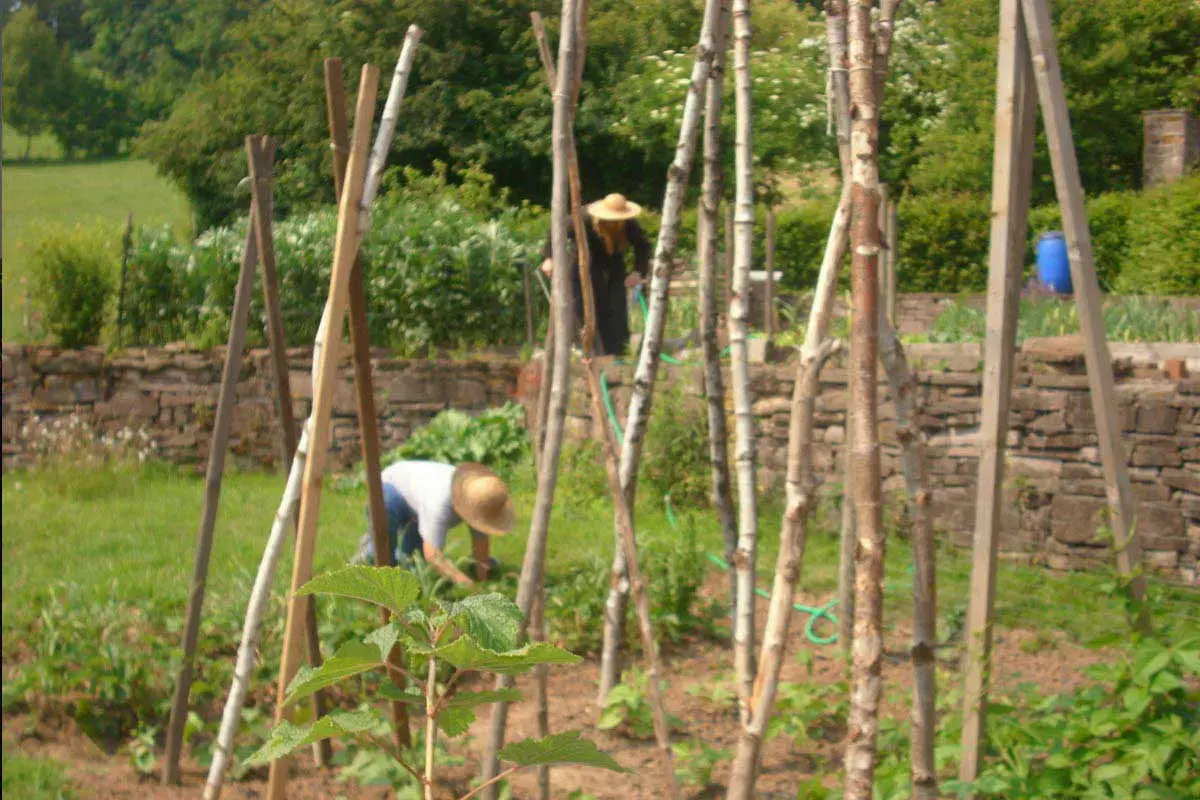
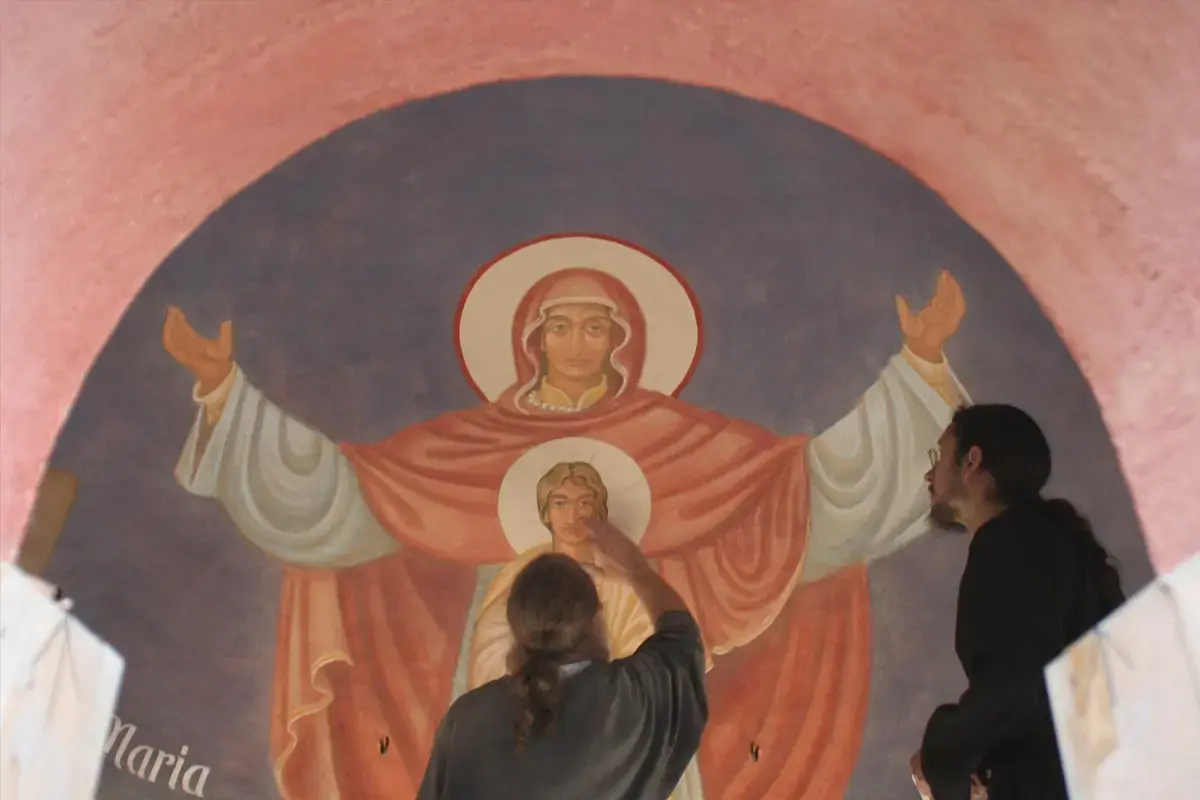
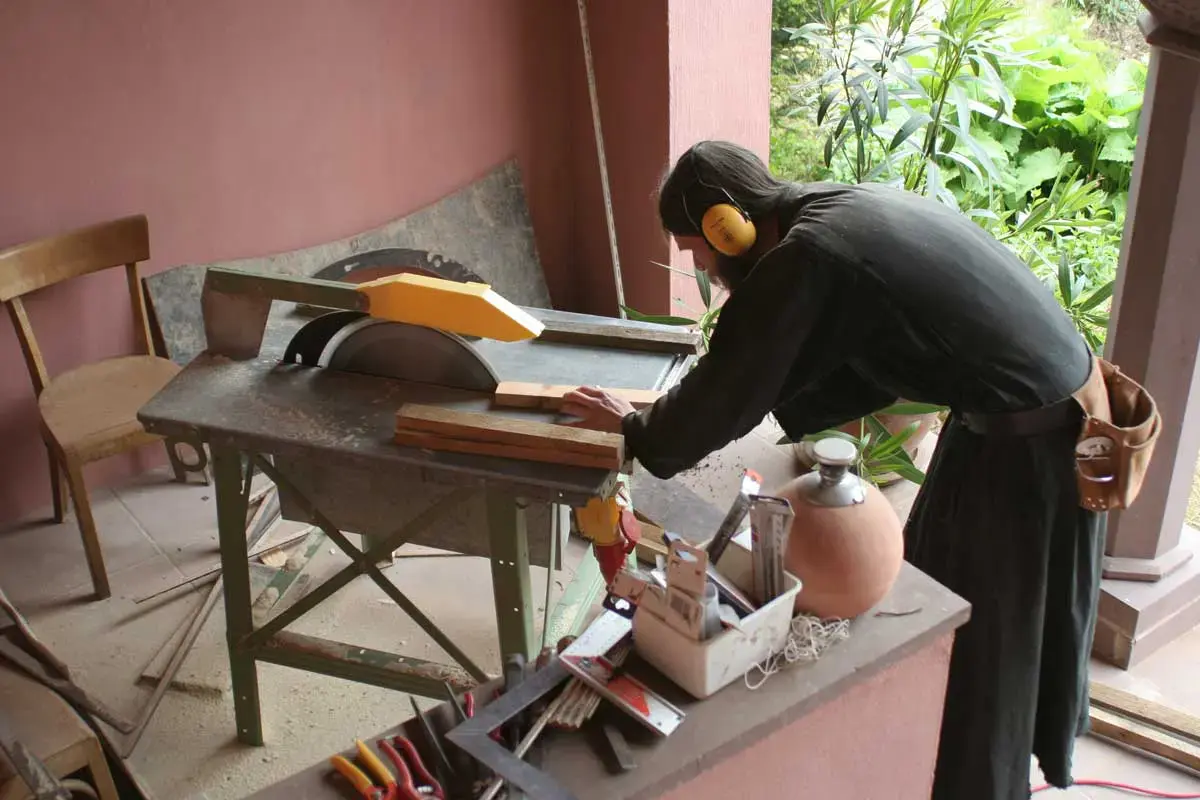
Gardening and fruit cultivation ensure self-sufficiency with wholesome food. The buildings and monastery grounds require care and maintenance; sandstone walls and fences need to be renewed or expanded, hedges need to be cut. For heating in winter, wood has to be prepared in the forest. Where the appropriate skills are present, artistic and craft work such as icon painting, wood carving, carpentry … can serve the building up and furnishing of the sanctuary and, beyond that, constitute a source of income for the monastic community.
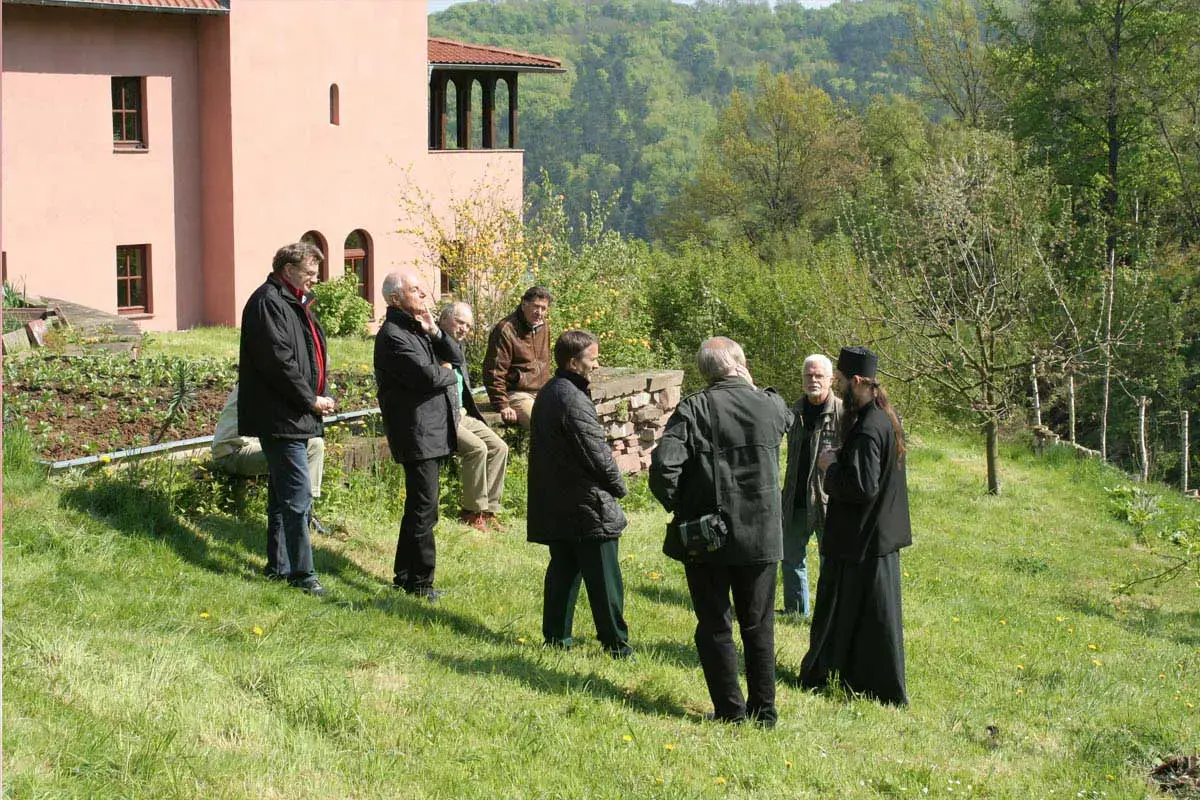
The reception and care of guests and pilgrims fall to the guest father. Spiritual instruction, confessions, and pastoral care belong to the sphere of the elder and the priests.
A broad place in the Holy Trinity Monastery is occupied by liturgical work. Liturgical texts are translated from the Greek original into German, chants are worked out in the German Choral and written down in neumes. The monks receive the necessary musical and liturgical training in the monastery itself; good language skills are also required for this.
In a small monastic community the individual cannot limit himself to one activity alone; rather, everyone must lend a hand in the most varied areas. Larger tasks, such as the fruit harvest, the preparation and storage of produce, but also work on the grounds and building work, are carried out as common labour by several or all of the monks together.
Study
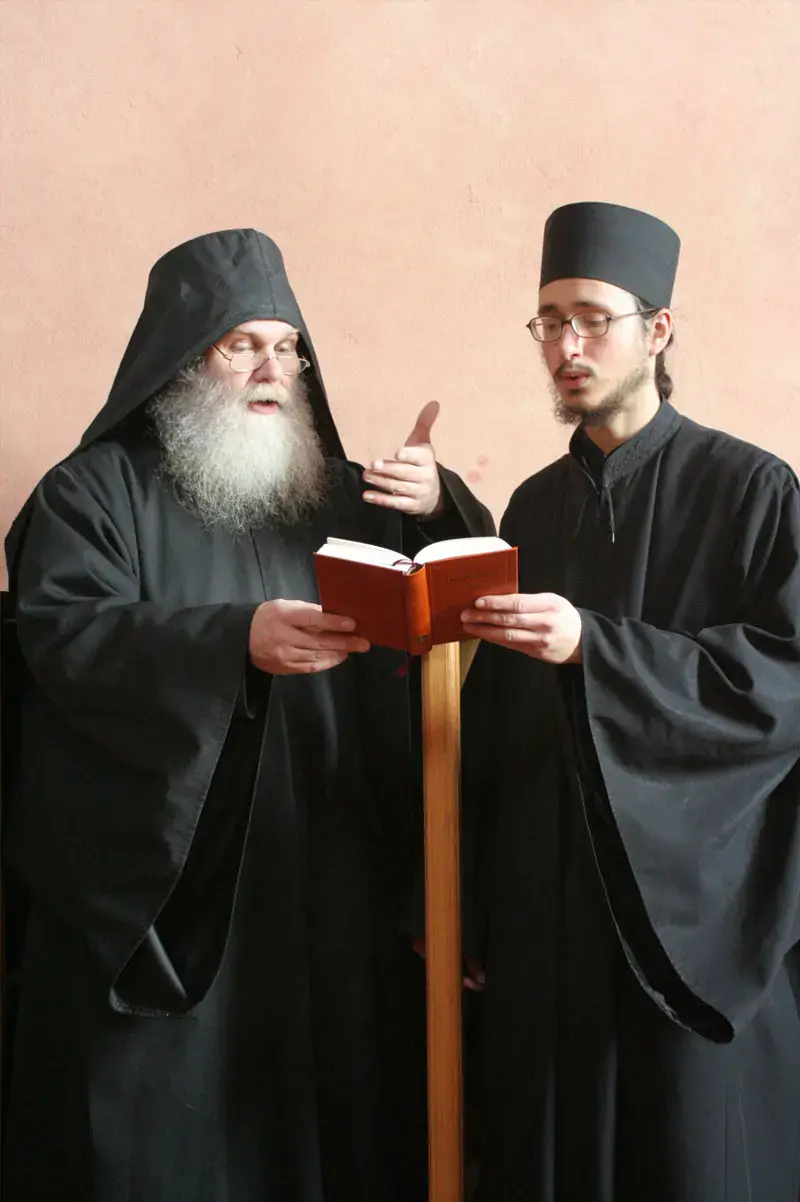
During the novitiate the foundations of Orthodox theology and spirituality are first imparted, as well as traditional spiritual anthropology. To this are added general Church history, liturgics, religious studies, psychology, linguistics, and related fields. Of languages, only German and Greek are compulsory; if others are added, so much the better. A broad place is occupied by musical training, which encompasses the theory and practice of choral chant, ear training, hymnology, the study of neumes, cheironomy, and mode-bound improvisation.
In the monastery, the contents are not treated abstractly, but always also in view of their value, in the sense of spiritual discernment.
Study also includes, not least of all, the working through and inward assimilation of the spiritual teachings of the elder, through whom holy Tradition is transmitted. Learning by no means ends with the novitiate. The monk is always one who is learning, even when he has long since become one who teaches.