Architecture and Art
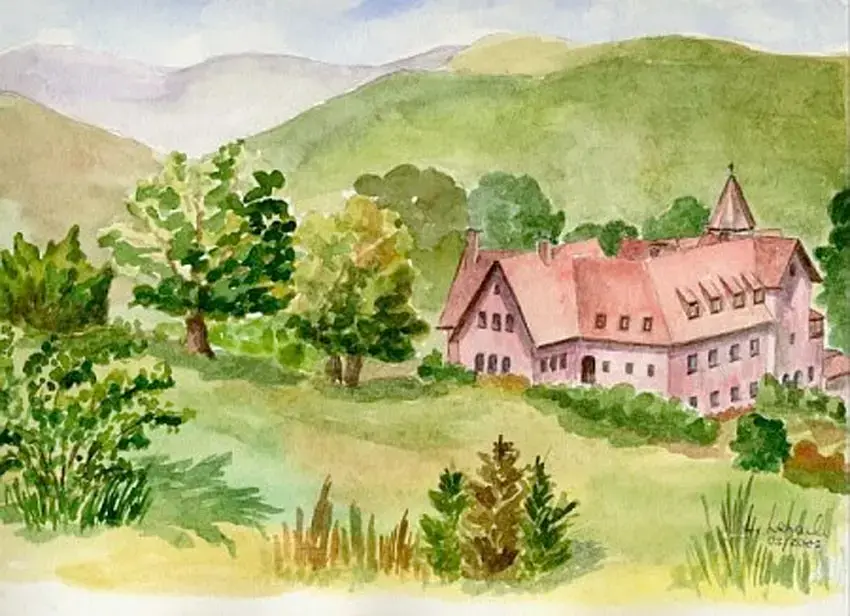
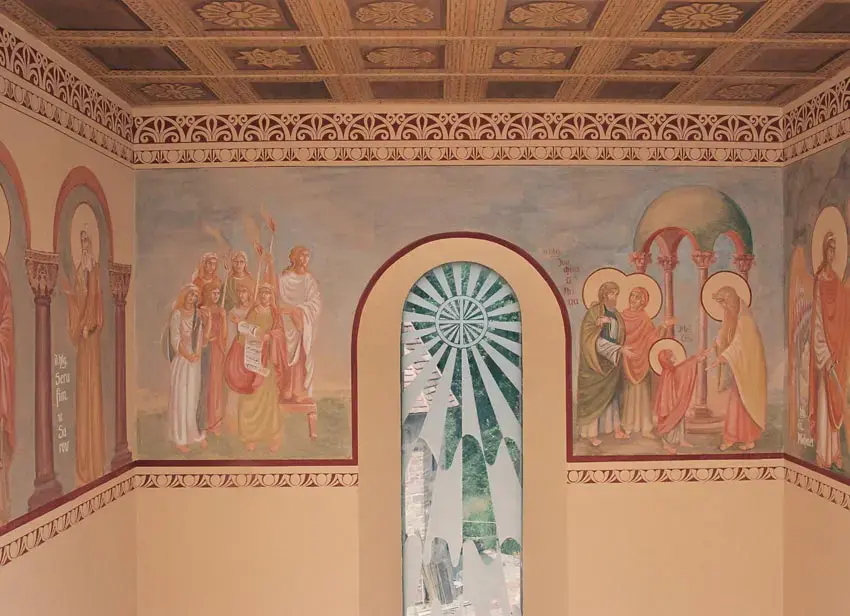
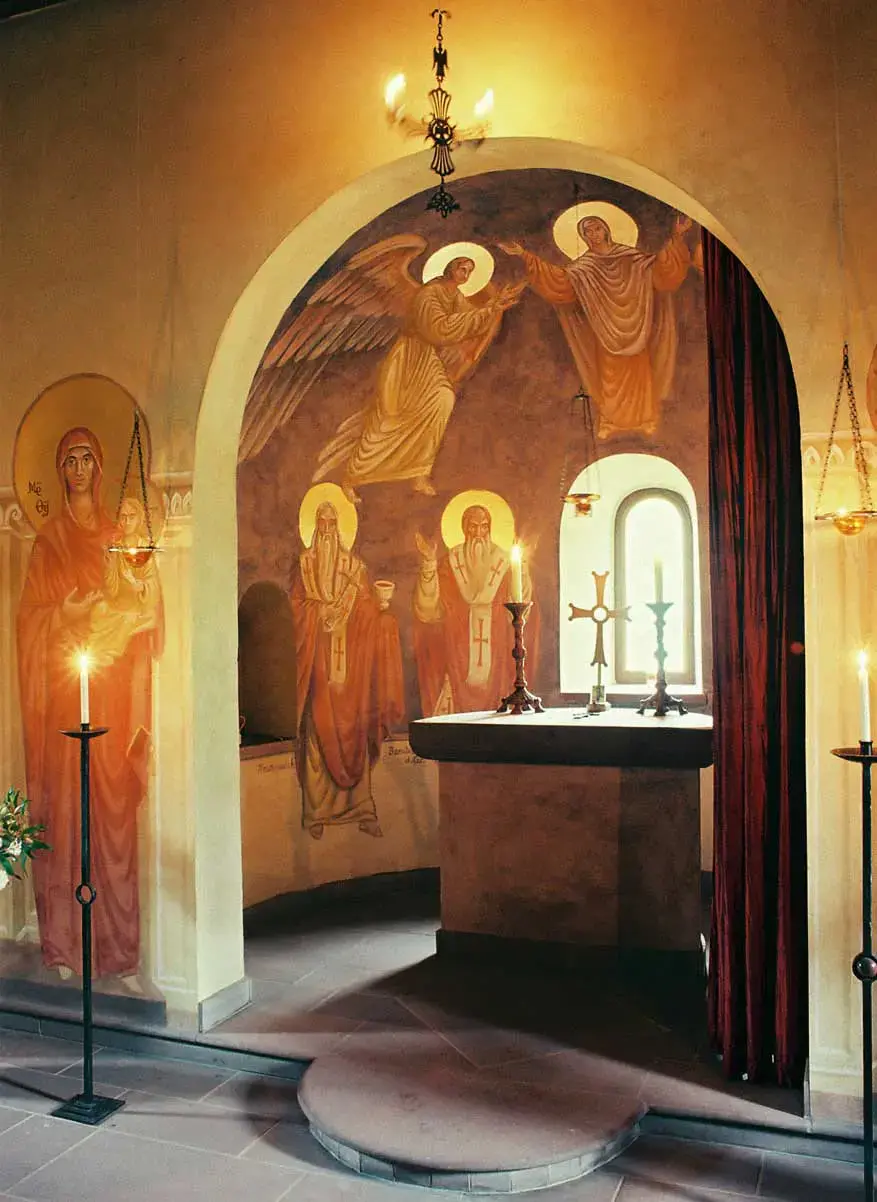
For an Orthodox sanctuary, however modest it may be, sacred symbolism and beauty are important. In everything, the heavenly prototype should be reflected. Beauty, like love, goodness, omnipotence, and so on, belongs to the attributes of God, or, as one also says, to the names of God. Therefore beauty is a spiritual necessity.
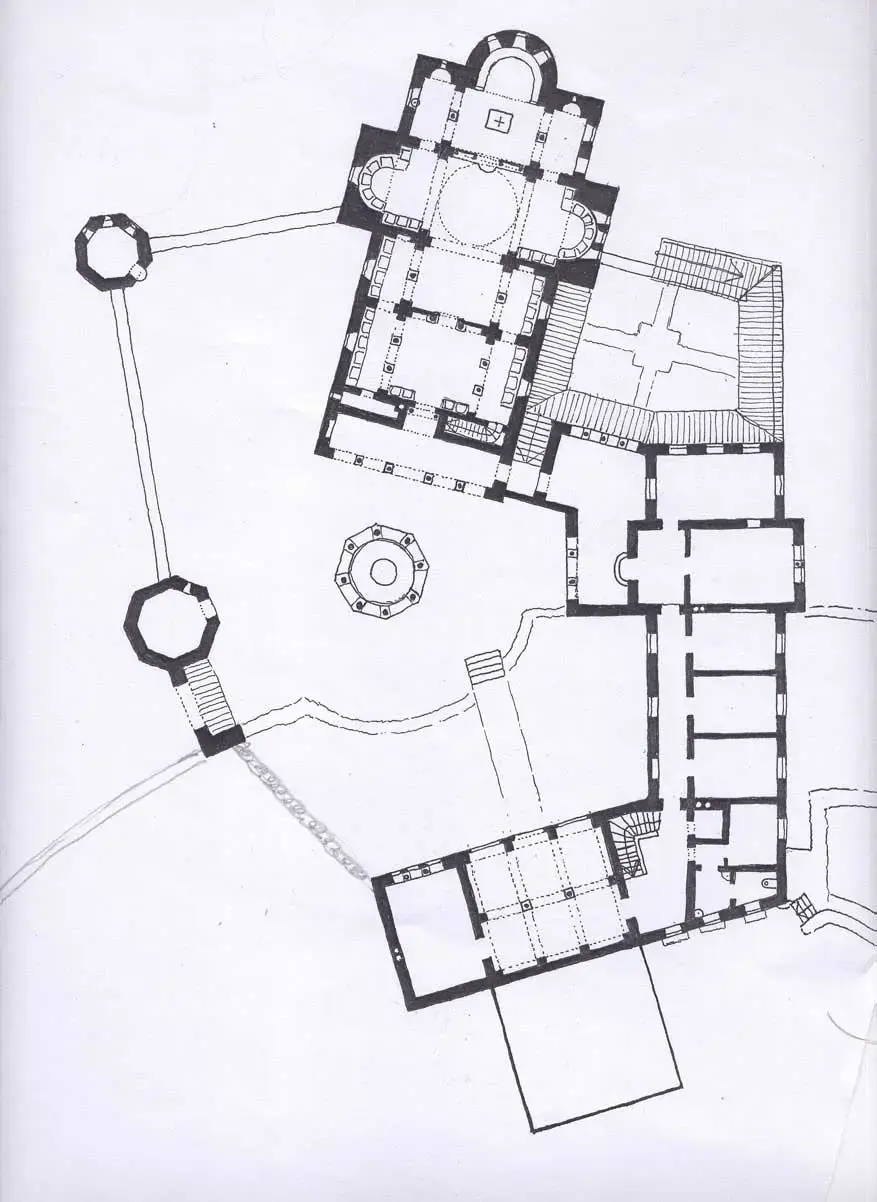
For both ideal and economic reasons, all building forms and techniques were meant to be simple enough to be carried out by the community itself. Simple wooden beam ceilings rest upon sturdy walls and round arches.
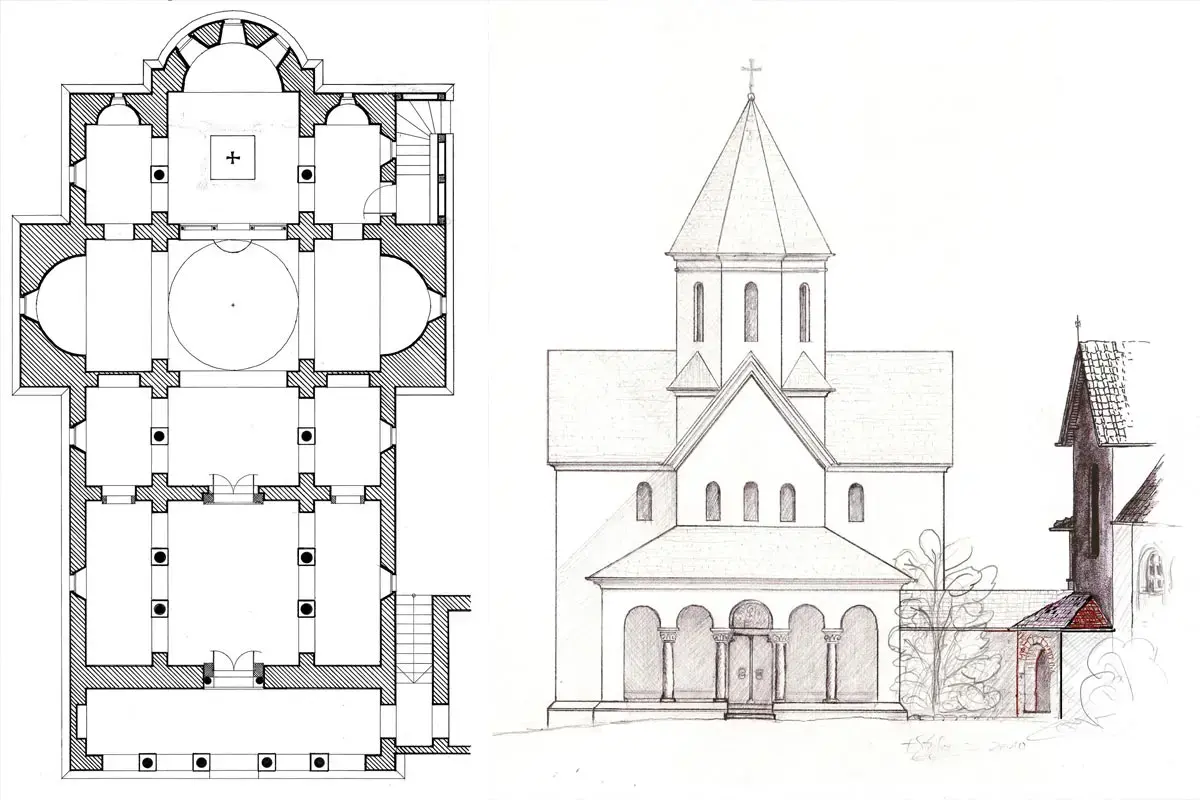
The building proportions are determined by harmonious whole-number ratios, which also recur in sacred chant and in the modal system of the German Choral.
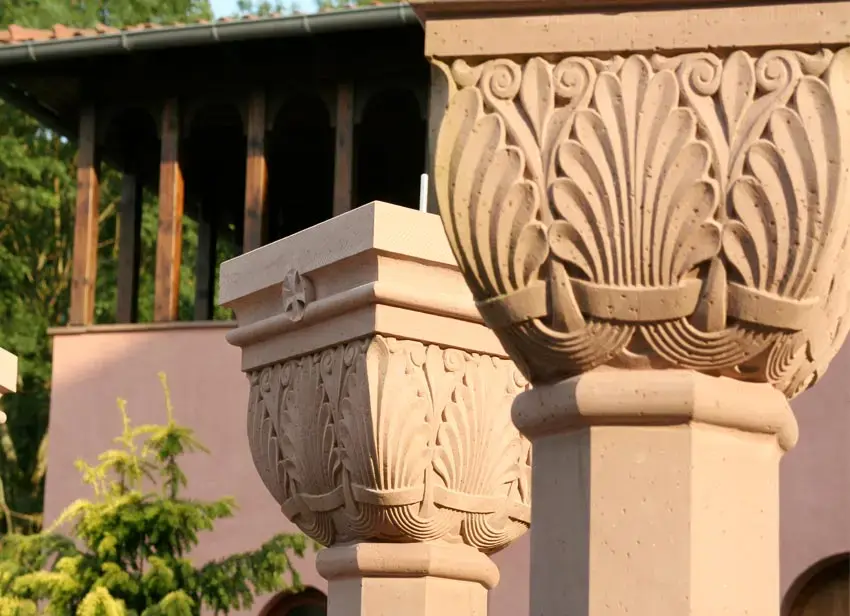
Artistically designed architectural elements, for example in the capitals, draw on the formal language of the early Romanesque of the Weser region and develop it further. The early, pre-Romanesque architecture and art of our region are astonishingly close to their contemporary Byzantine counterparts. It was the age of a great European cultural and spiritual unity stretching from Ireland to Georgia.
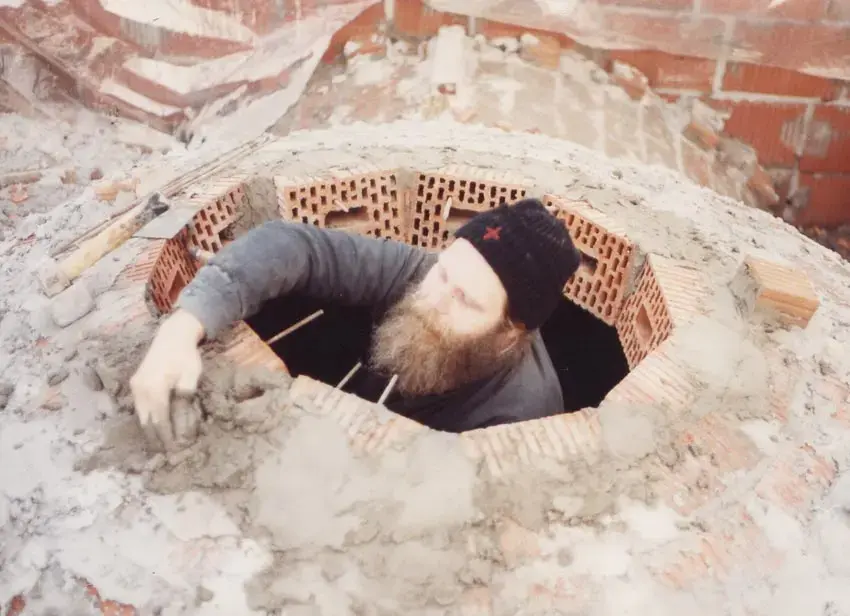
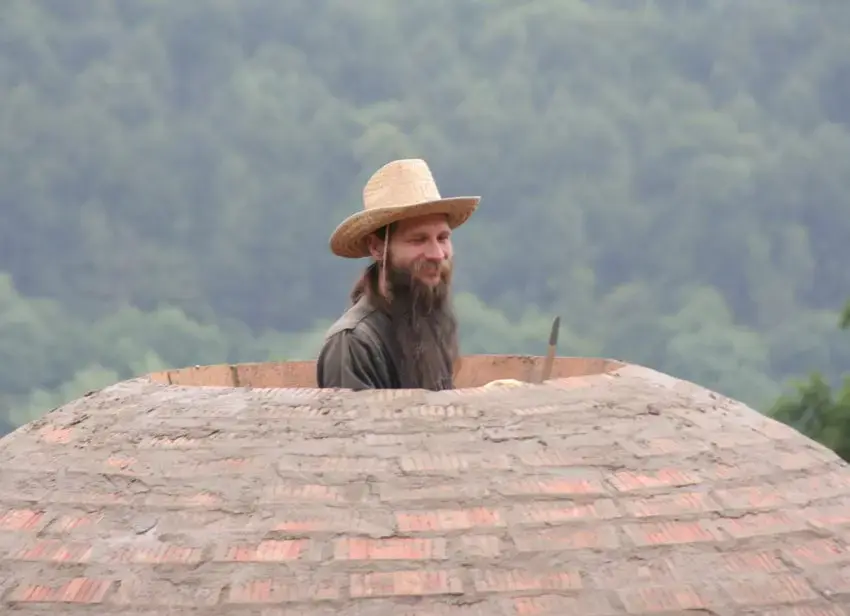
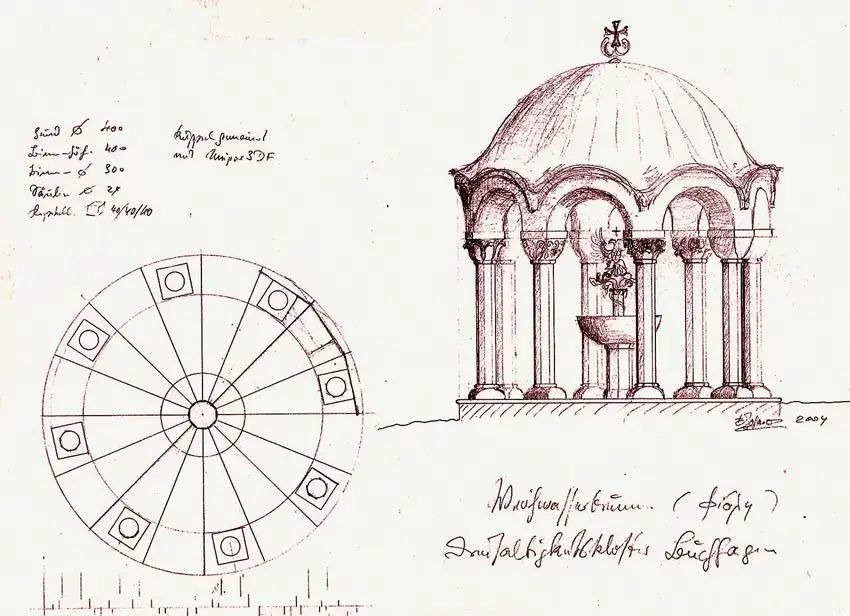
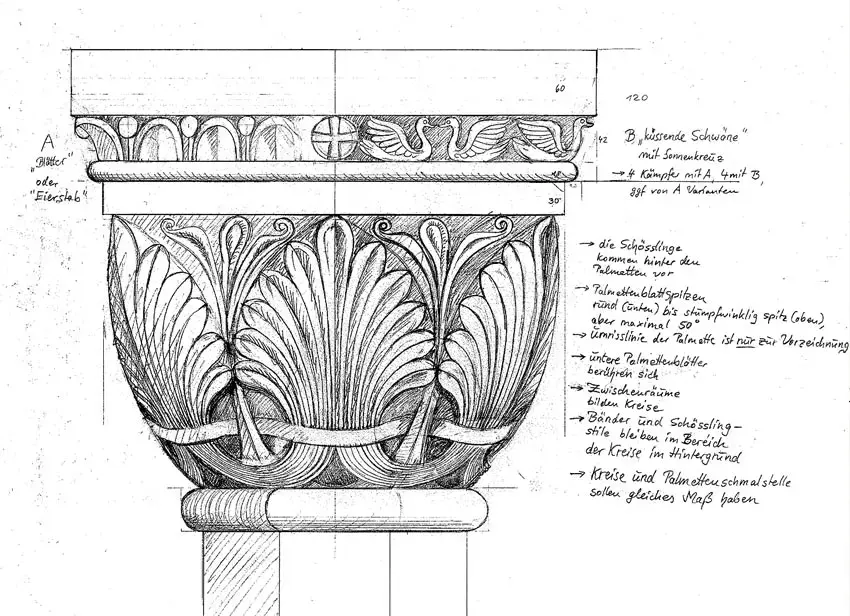
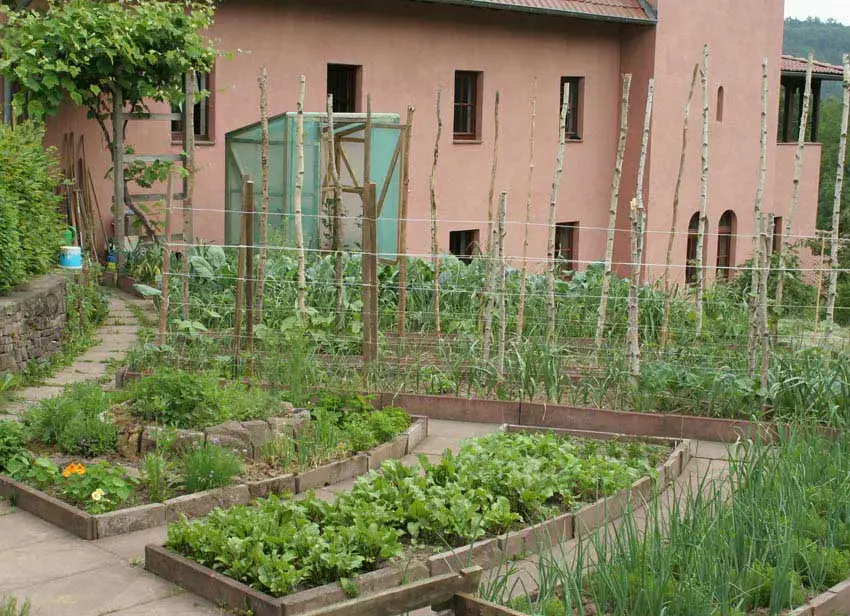
The particular features of the mountain landscape require considerable design effort. In some areas, terraces with sandstone walls were created. In 1992 alone, 2,000 native shrubs were planted along paths, as crowning elements or continuations of the sandstone terraces, and as enclosures. In this way the water balance is harmonised and a habitat is created for a wide variety of small animals and plants. Snakes and small lizards have settled in the garden walls. The diversity of birdlife is overwhelming. In autumn, flocks of migratory birds rest on the monastery grounds.
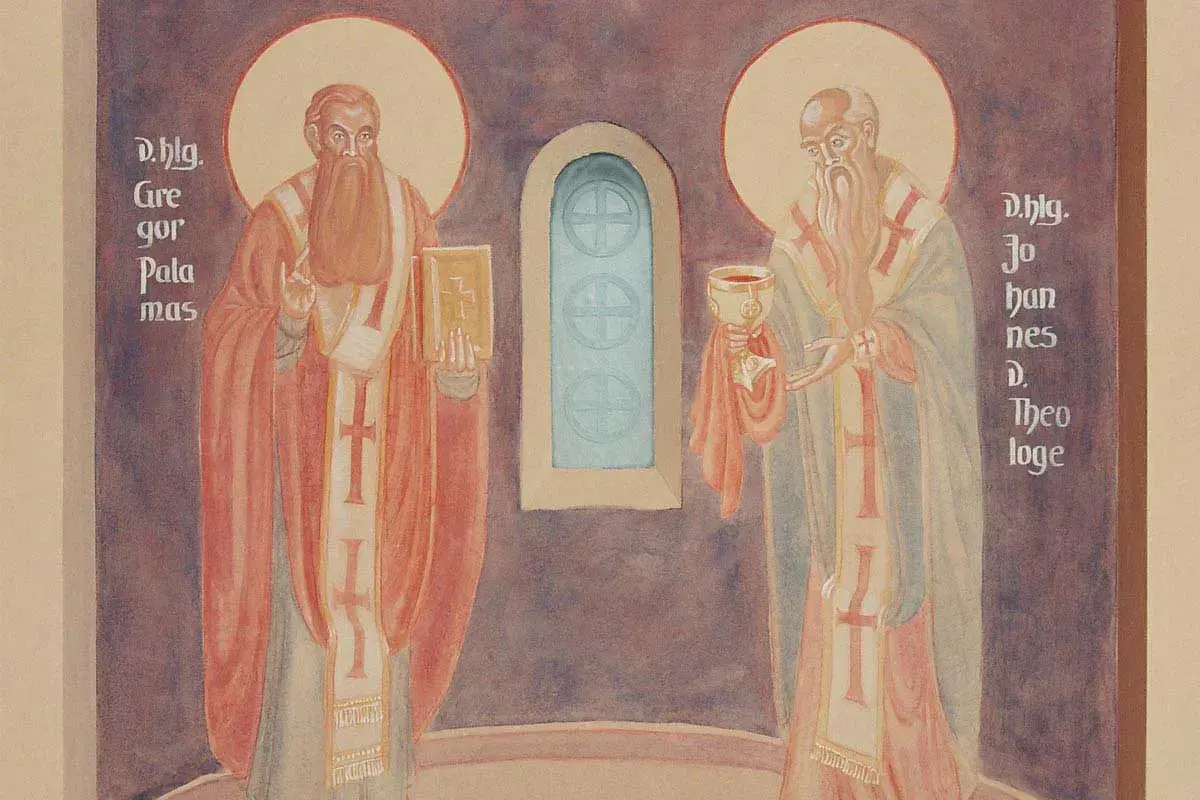
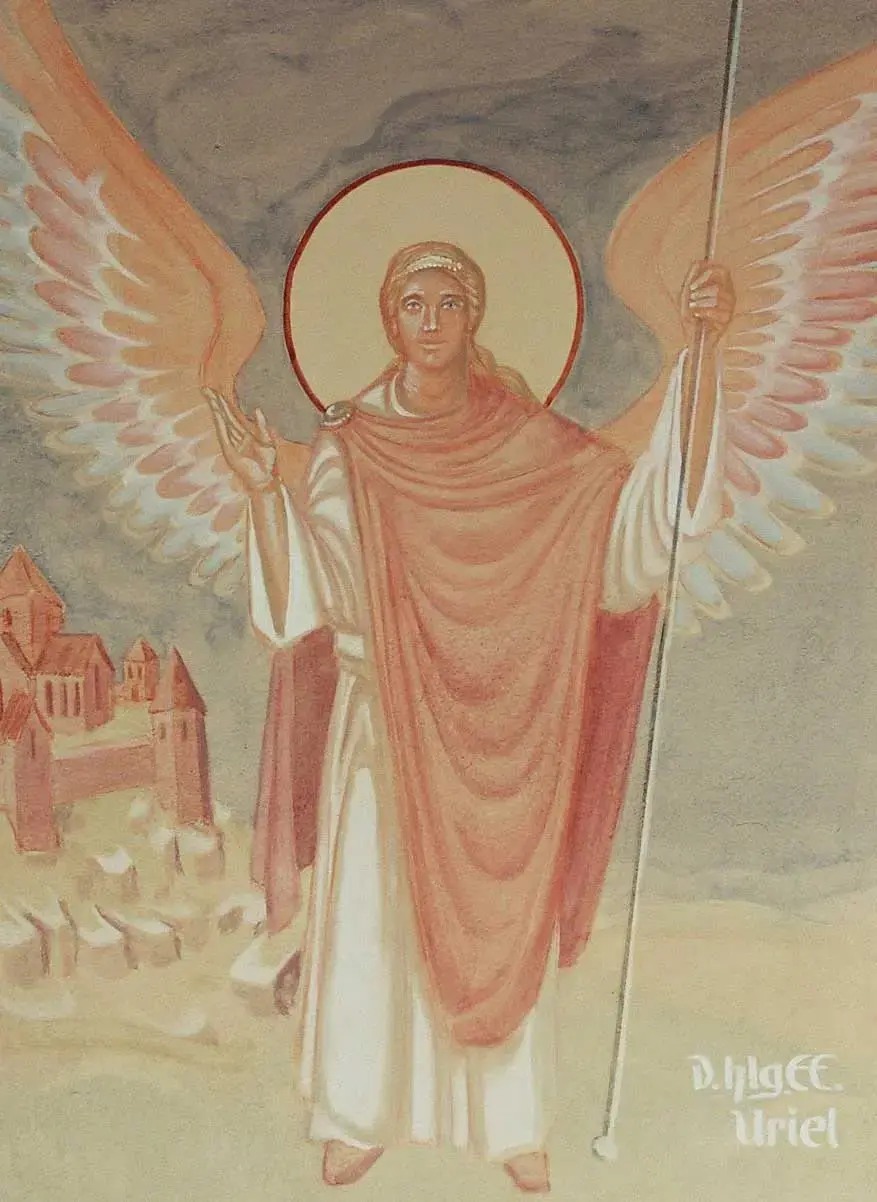
Art - Wall Painting